Buying guideBy Tomdebest Team
OLED vs incell LCD: which replacement screen should you stock?
Price, quality and comebacks — how to decide between OLED and incell screens for iPhone repairs.
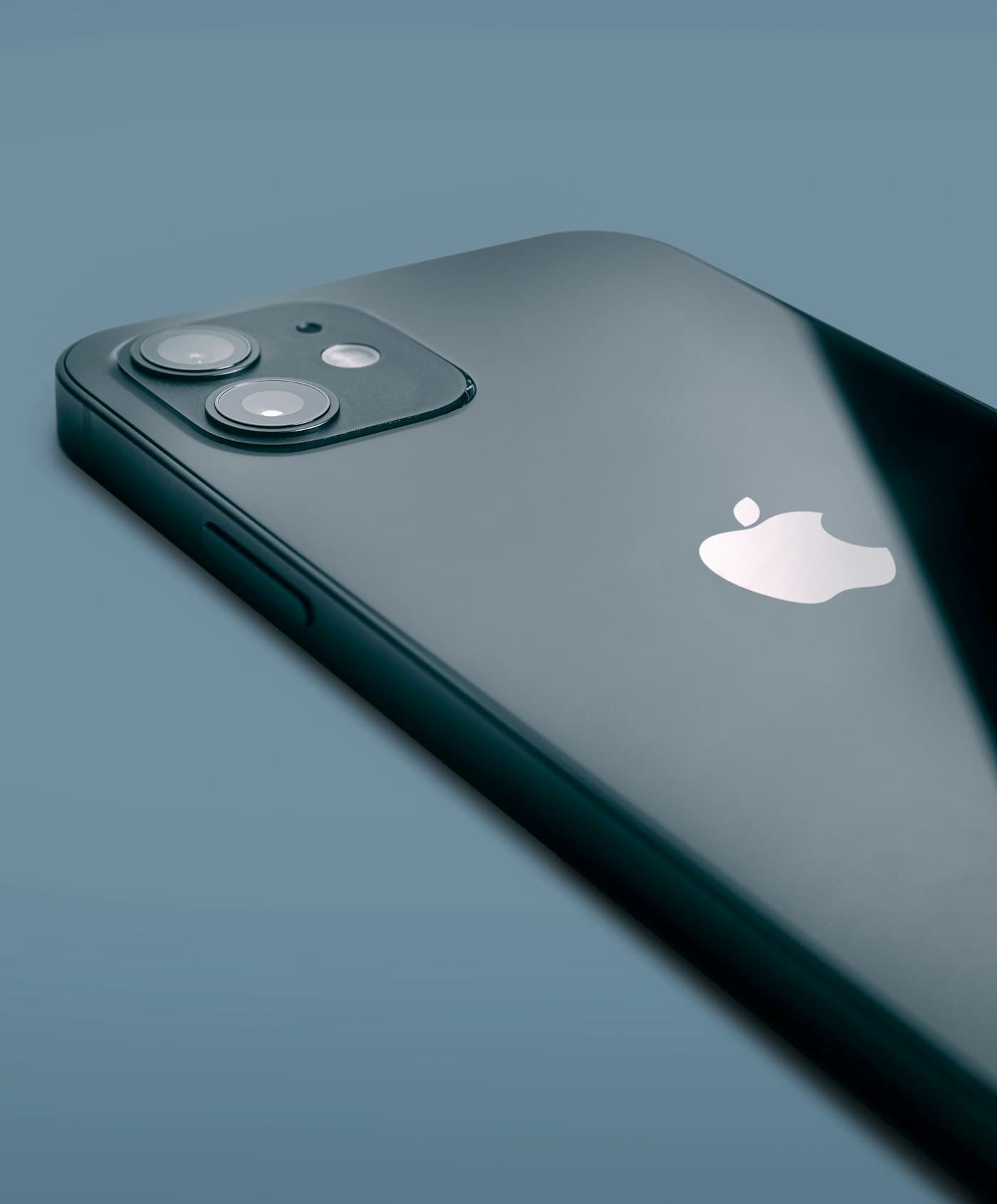
Most iPhones from the X onwards shipped with OLED displays. When those screens break, repair shops usually choose between two replacements: an OLED panel (original pull or high-grade aftermarket) or a cheaper incell LCD.
What's the difference?
OLED panels light each pixel individually. They're thinner, show deeper blacks and use less power on dark content. Incell LCDs build the touch layer into an LCD panel with a backlight, which makes them thicker and a little dimmer, but much cheaper.
When incell makes sense
For older models, price-sensitive customers or devices that are about to be resold, a good incell screen is a sensible repair. Colour and touch are fine for everyday use, and the saving can be significant.
When to insist on OLED
Customers with newer models notice the difference, especially in brightness and battery life. Aftermarket OLED sits in the middle on price and is usually the best balance for flagship repairs.
Our advice
Stock both, and label them clearly on your price list. Tell customers what they're getting. It prevents disputes and lets them choose. Every screen we sell is graded so you know exactly which type you're ordering.